
Dennis Smith
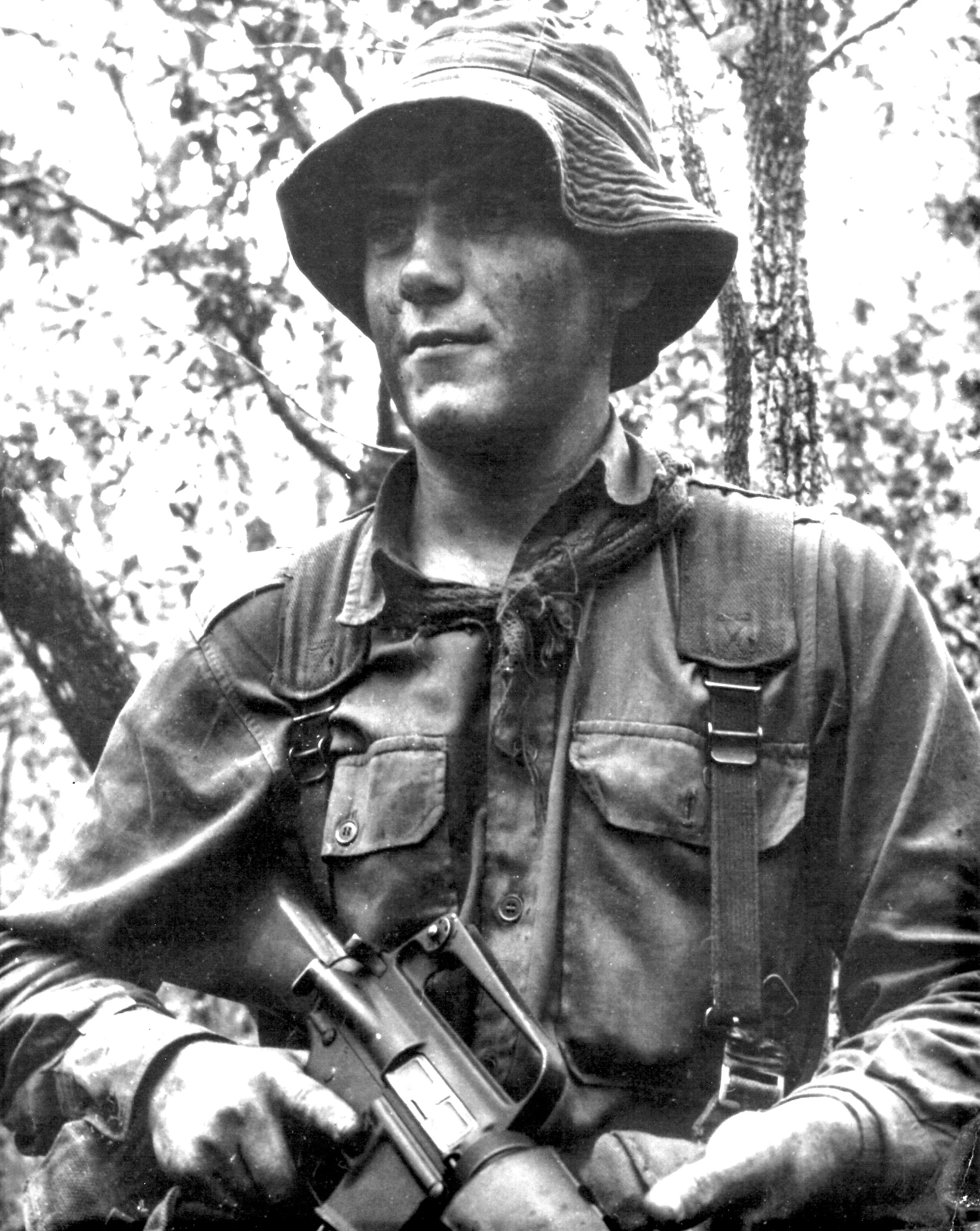
Vietnam Veteran — 4RAR, D Company, 12 Platoon, 1968–69
Service Number: 3791393
Private Dennis Smith was born on November 5, 1946, and was raised on a farm at Curyo until his family moved to Birchip in 1953. He attended school in Birchip before boarding at Ballarat Grammar for his final three years, where he completed his Matriculation in 1964. Dennis enjoyed both the sporting opportunities and the quality of education the school provided.
As the eldest of six children, Dennis remained on the family farm for several years before planning to attend university. However, following the introduction of conscription in 1965, his plans changed. On his 20th birthday, November 5, the marble marked 05/11 was drawn from the conscription barrel, meaning Dennis was required to serve.
He completed basic training at Puckapunyal in Victoria before undertaking Infantry Corps training at Singleton, New South Wales. Despite having completed Year 12 and holding a pilot's licence, Dennis's Mallee background was considered well suited to infantry. Growing up working on a farm had made him physically tough and accustomed to working through extreme weather conditions.
Following further demanding training in the Queensland jungles, where soldiers endured punishing physical conditions, extreme weather and limited rations, Dennis was deployed to Vietnam in 1968.
His platoon was based at the Australian Army base at Nui Dat in Phuoc Tuy Province before being sent into the jungle to conduct operations against the Viet Cong.
After the platoon's first patrol, its scout retired after killing two enemy soldiers, and Dennis was assigned to the forward scout position. He had never been formally trained as a scout and had to learn the role as he went, knowing that the safety of the platoon depended heavily on his ability to identify signs of enemy movement, obstacles and traps.
Australian Army tactics involved constant search-and-destroy missions, with infantry spending much of their time in the jungle. For Dennis, it was a stark contrast to his upbringing shooting rabbits in the Mallee.
"We all trained ourselves on the job," he recalled.
Dennis's platoon consisted of 33 soldiers: one officer, seven non-commissioned officers and the remaining members National Servicemen, or "Nashos", who had been conscripted.
Over the following 12 months, four men from Dennis's platoon were killed and at least six were wounded. Two others died by suicide in the years following their return home. Many veterans also experienced significant long-term health consequences, including cancers associated with exposure to chemical defoliants such as Agent Orange.
Looking back, Dennis says the men were patriots who believed Australia was the best country in the world.
"We were fighting for our freedom, democracy and defending it against communism."
Shortly after returning home, Dennis married Rhonda, whom he describes as "a real legend". He later attended Monash University, studying economics before establishing his own practice as a chartered accountant, serving many clients across the Wimmera and Mallee.
The reception returning Vietnam veterans received was a difficult part of their homecoming. Dennis describes the treatment of veterans during the Whitlam political era from 1972 onwards as ugly and insulting, particularly given the service they had provided to their country.
He did not tell his university mates that he was a veteran until many years later. Some of his former Ballarat Grammar contemporaries initially rejected him, while even in Birchip there were people who were not prepared to thank returning veterans for their service.
Despite these experiences, Dennis remains proud of his service and of the men with whom he served.
He is proud to have done his duty for his country and for the people he served alongside.
The Smith family also has a proud history of military service. Dennis's grandfather, Robert Smith, served at Gallipoli in Turkey and on the Western Front in France from 1914 to 1918. His father, Jack Smith, served from 1942 to 1945, flying Catalina warplanes over the Pacific. Both survived their service, carrying scars from their experiences but remaining proud to have served their country.
Dennis's story provides an insight into the Australian experience of the Vietnam War, the realities faced by infantry soldiers in the jungle and the lasting impact of the conflict on those who served.