
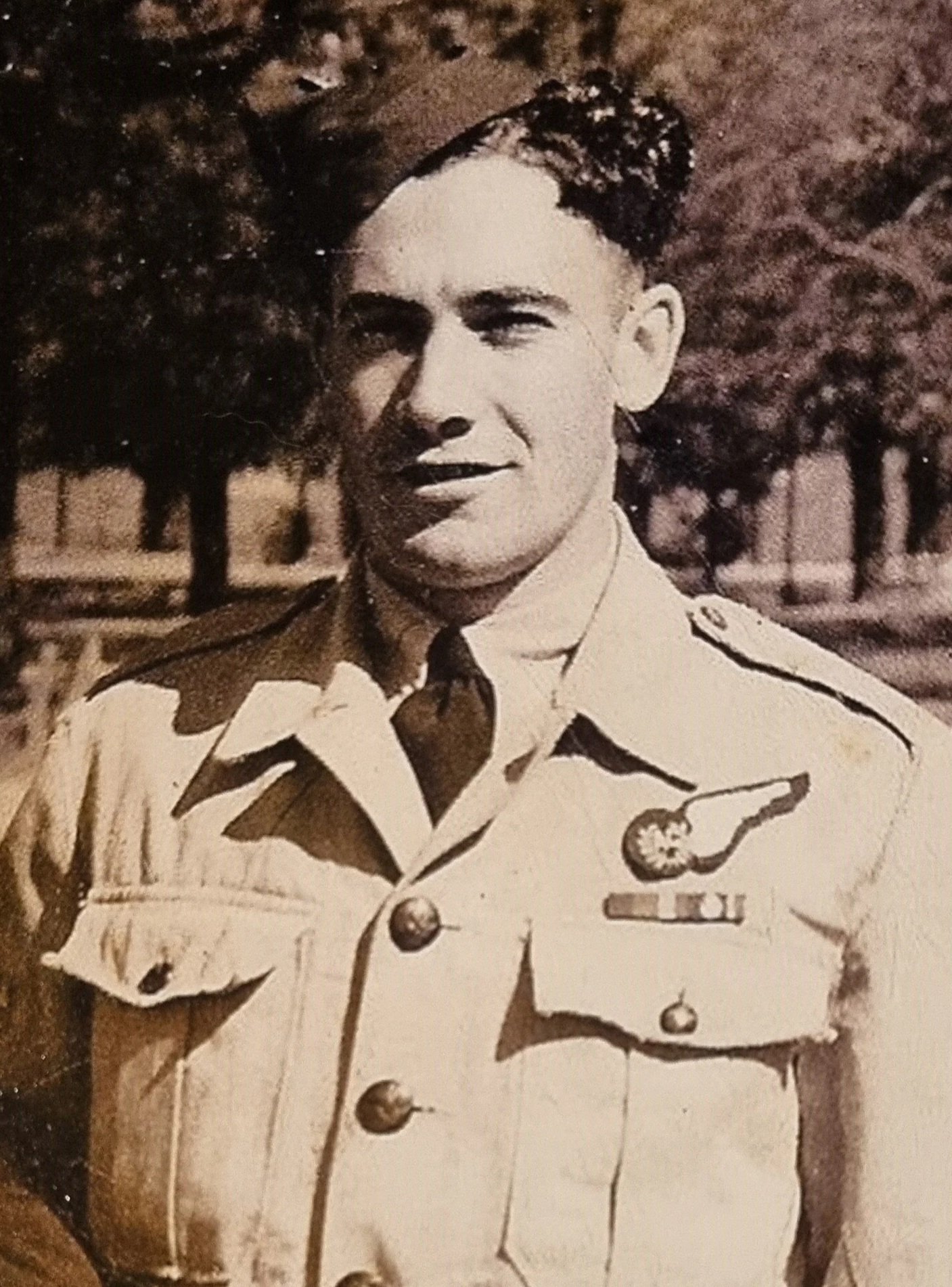
Honouring the service of John William “Jack” Smith, born on 16 March 1923 at the Birchip Bush Nursing Hospital, Victoria, Australia.
Jack was raised by his parents, Hannah “Minnie” Eileen Smith and Robert “Bob” Francis Smith. He attended school near Curyo, travelling each day by horse and buggy.
Jack left school at just 13 years of age after earning his Merit Certificate, before working alongside his father on the family farm and later beginning an apprenticeship at Bert Bayles’ garage in Birchip.
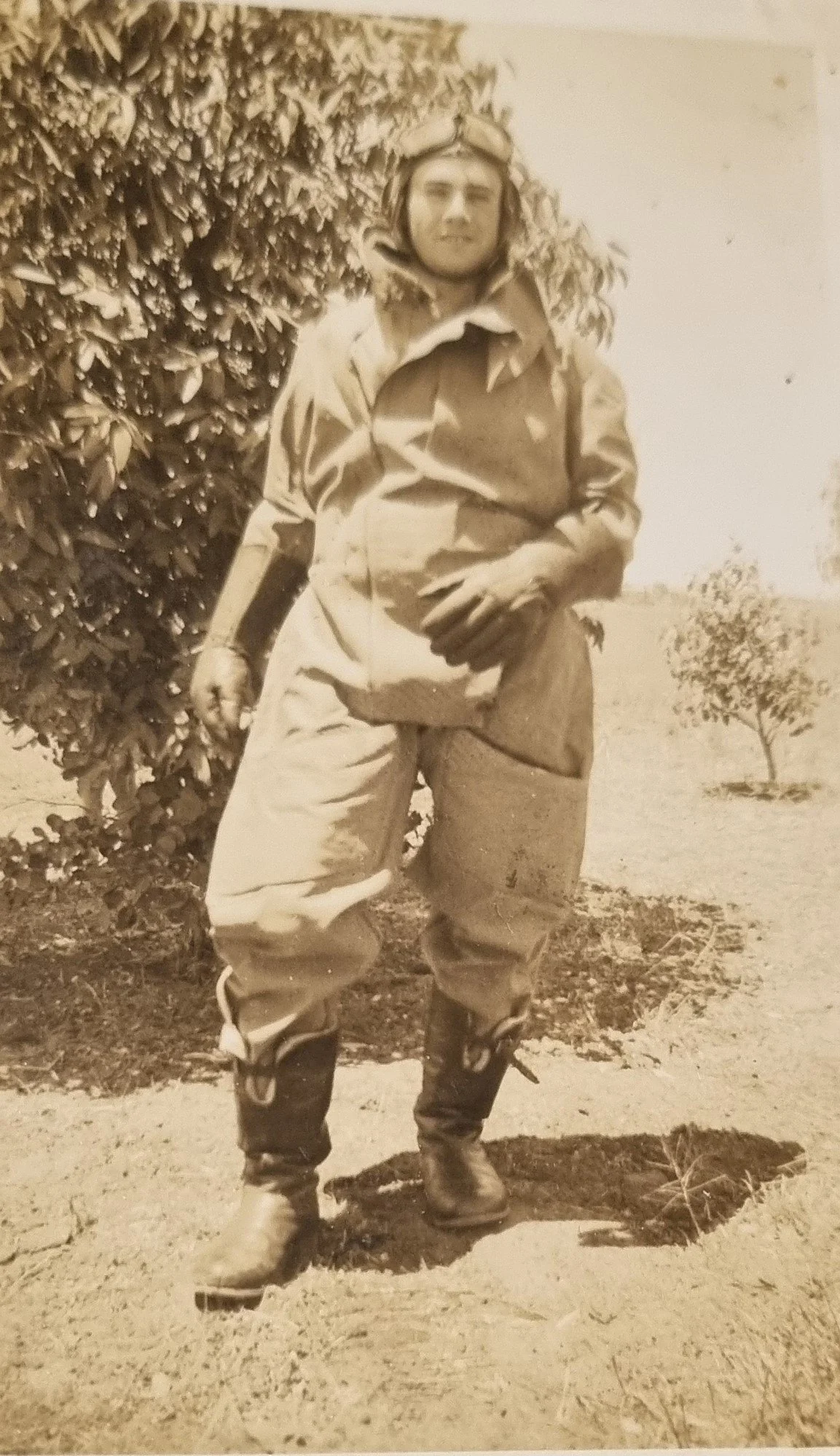
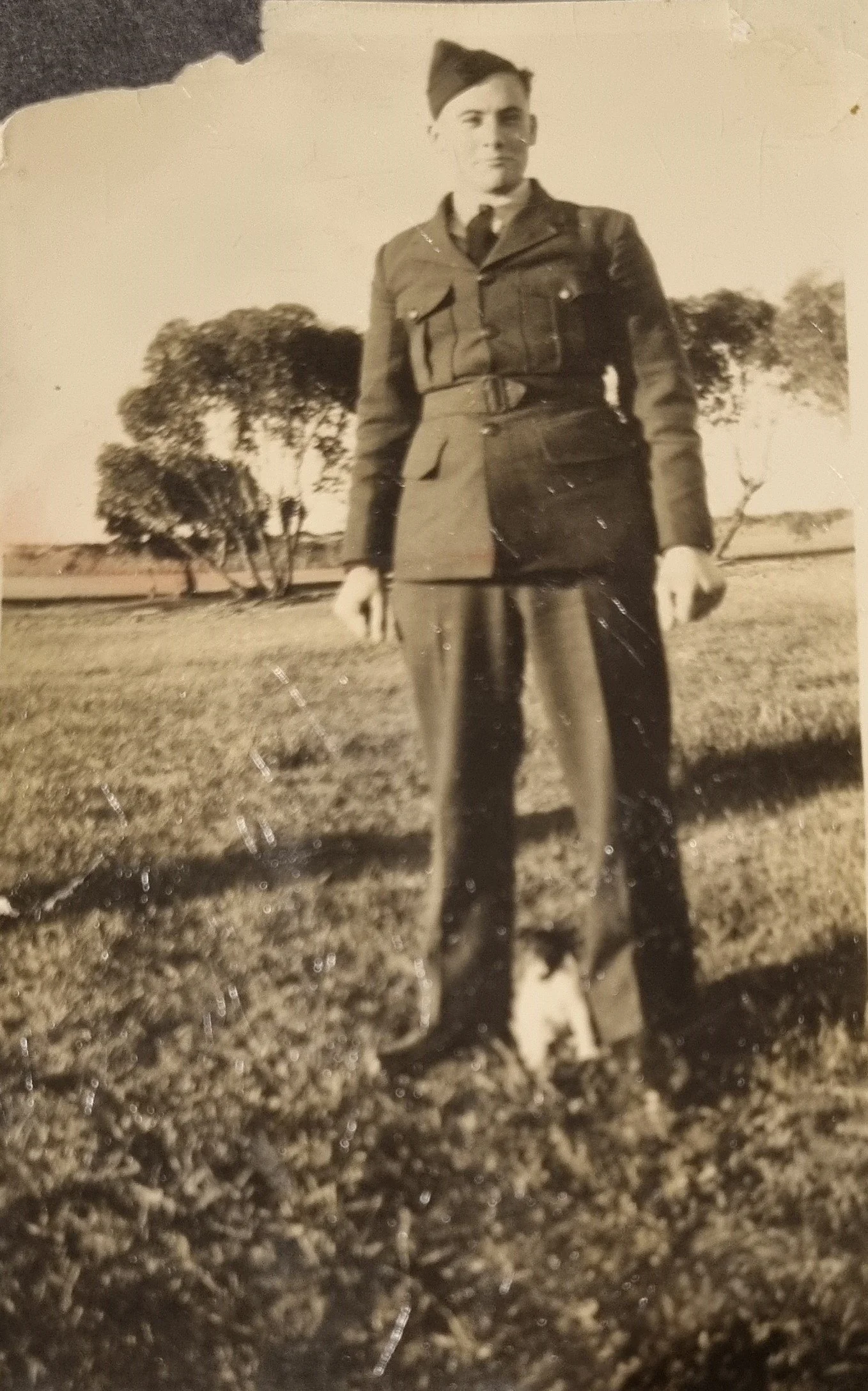
At only 18 years of age, during the Second World War, Jack enlisted in the Royal Australian Air Force (RAAF). He began his wartime service as part of a ground crew, involved in the maintenance and repair of Brewster aircraft. Jack later trained as aircrew and went on to serve in operational flying roles, including as a Bombardier (bomb aimer) and rear gunner, contributing to missions across Northern Australia and Papua New Guinea, where Allied forces were engaged against advancing Japanese fleets.
Jack was later transferred to a Catalina flying boat squadron operating from Lake Macquarie. The Catalina was a large, long range amphibious aircraft, and Jack served as a rear gunner on missions that were undertaken by the RAAF, among the most demanding and dangerous. These included night mine laying operations off the coasts of Northern Australia, China, Japan and throughout the Pacific. He also flew missions into the Philippines, supporting operations through refuelling and aircraft repair tasks as Allied forces advanced across the region.
During this period, Jack witnessed a significant moment in history. On 20 October 1944, he was present for General Douglas MacArthur’s return to the Philippines, when MacArthur fulfilled his 1942 promise, “I shall return,” by wading ashore at Leyte Island, symbolising the Allied campaign to liberate the Philippines from Japanese occupation.
While stationed near Lake Macquarie, Jack met his future wife, Emily Doreen Field, in Awaba. They were married on 23 September 1945, shortly after the conclusion of the war. In 1995, they received a message of congratulations on their Golden Wedding Anniversary from the then Prime Minister of Australia, Paul Keating.
After the war, Jack returned to civilian life. He initially farmed peanuts with Emily in Kingaroy, Queensland, where they were living with their young son Dennis, who later served Australia during the Vietnam War. Following the sudden passing of his father Bob, a returned serviceman of the First World War, Jack returned home to the family farm at Curyo to support his family. Soon after Jack and Emily built a new home in Birchip to raise their children. He continued farming for many years, and with his sons as they grew older. Together, Jack and Emily raised six children — five sons and one daughter, and built a strong and caring family.
Jack’s love of aviation endured long after his wartime service. In later years, he owned and flew a Tiger Moth, an Auster, and a Cessna, maintaining his lifelong connection to flying.
He was deeply involved in his local community and was recognised as a Birchip Lions Life Member in 1998, marking more than 40 years of service.
John William “Jack” Smith passed away, surrounded by his family, on 13 October 1999, at the Birchip Bush Nursing Hospital, where his life had begun.
He is remembered for his courageous service, strong sense of duty, tireless work ethic, devotion to family and community, and his lifelong passion for aviation.
Lest We Forget.
Proudly remembered by his daughter, Gayle.
Service details recorded from a written interview with her father, undertaken as part of a school assignment, circa 1975-79.
John William “Jack” Smith
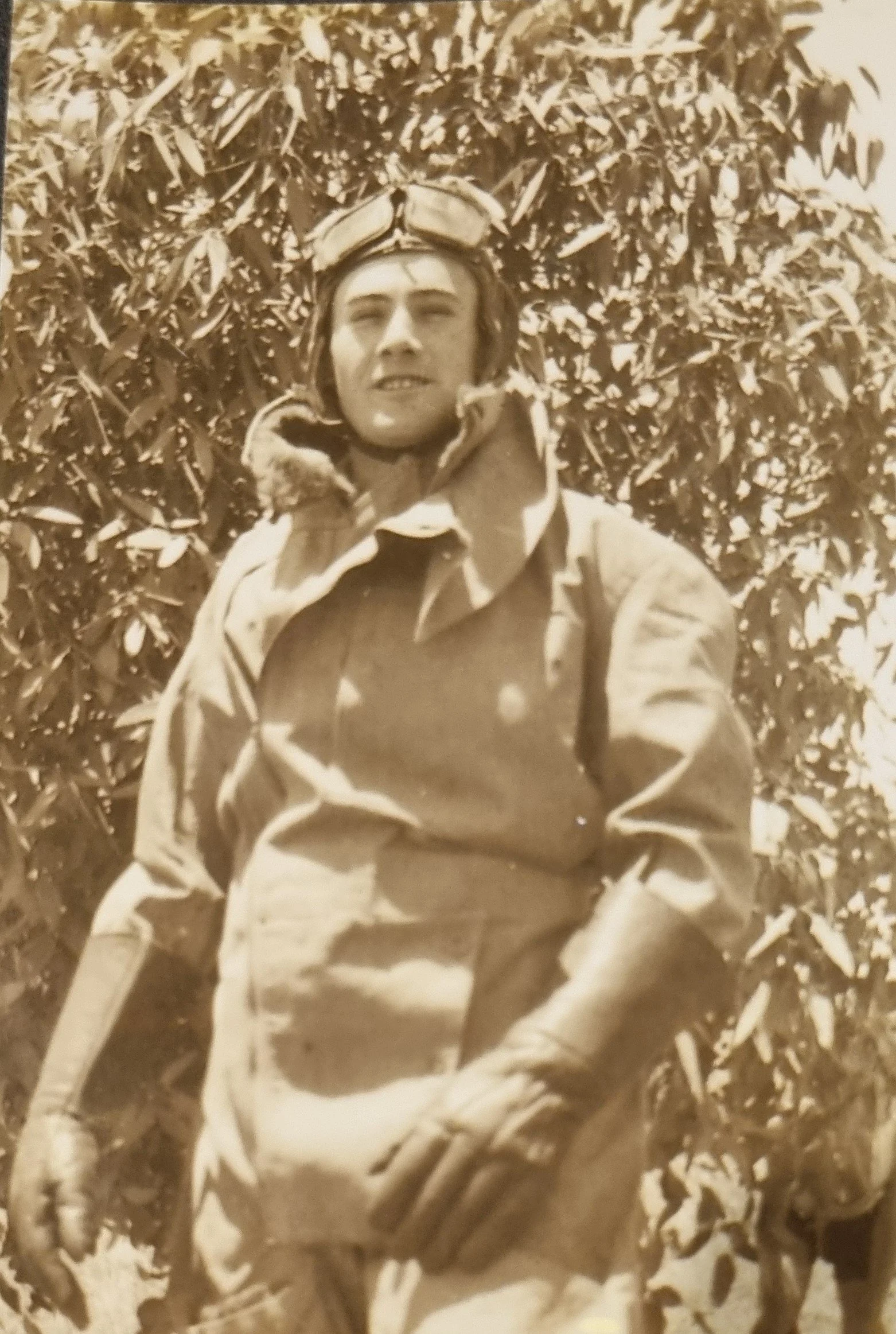
JW Smith in RAAF Flying Gear
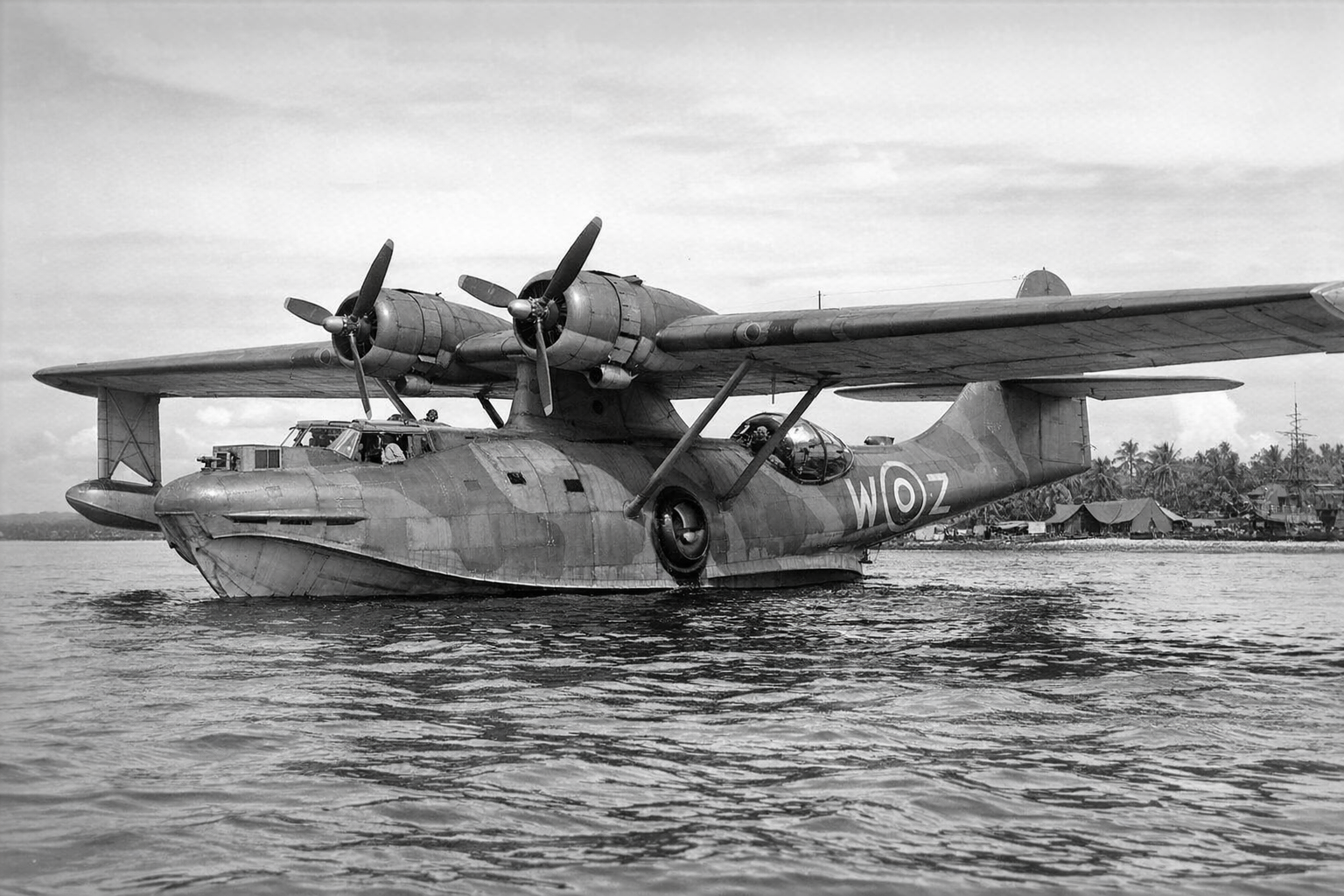
Catalina Aircraft WWII
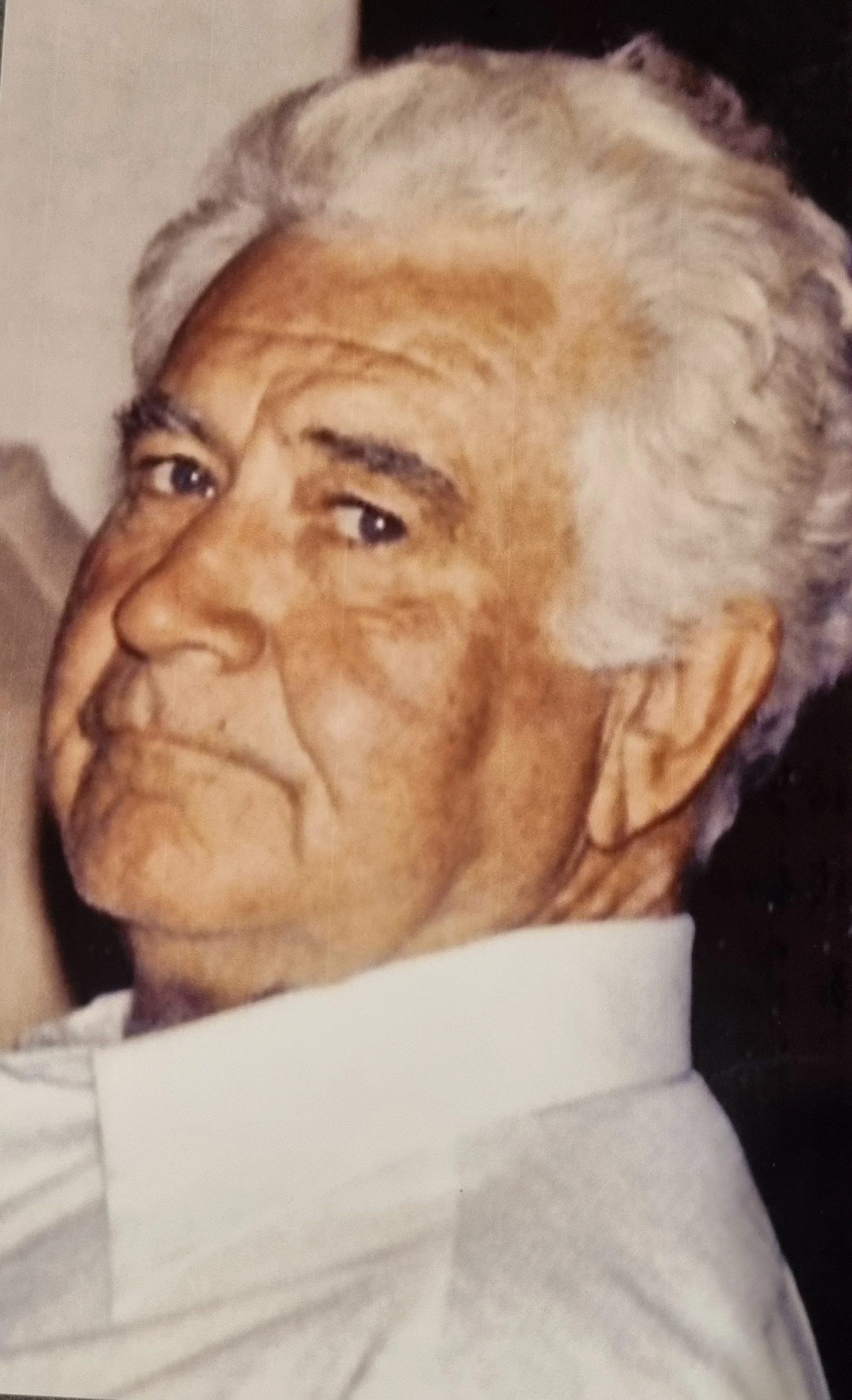
JW Smith